How Canadians Are Using Bitcoin and Crypto for Online Gaming in 2026: A Beginner's Guide to Choosing a Trustworthy Bitcoin Casino

I've spent a good chunk of the last year talking to fellow Canadian players, reading forum threads at 1am, and testing out different platforms myself — and one thing is obvious: crypto gaming isn't a fringe hobby anymore. It's mainstream, especially for players who got fed up with Interac delays, frozen accounts, or banks flagging their withdrawals as 'suspicious activity' for the third time in a month. In 2026, Bitcoin and other cryptocurrencies have quietly become the preferred payment rail for a big slice of Canadian online gamers. Faster payouts, a layer of privacy, and no middleman bank deciding whether your winnings are 'allowed' to clear — it's easy to see the appeal.
This guide is written for beginners. If you've never touched crypto before but you're curious about what everyone's talking about, I'll walk you through why this shift happened, what actually makes a Bitcoin casino trustworthy, and how to get started without getting burned.
Why Canadians Are Turning to Crypto for Online Gaming
Canada's banking system is solid, but it's not exactly built for speed. E-transfers can take a day or two to clear, some banks block transactions to gaming sites outright, and credit card processors tack on fees that eat into your bankroll before you even place a bet. Crypto sidesteps most of that. A Bitcoin transaction can confirm in minutes, there's no third party deciding your transaction looks 'risky,' and fees are often a fraction of what a traditional processor charges.
There's also the broader context: Canada has one of the higher crypto adoption rates in North America. Ownership of Bitcoin and Ethereum has climbed steadily since 2022, and a lot of that comfort with digital assets is spilling over into how people choose to fund their entertainment, including online gaming.
Legal Status of Crypto Gambling in Canada
Here's where I want to be straight with you: gambling law in Canada is a patchwork. The Criminal Code technically restricts most gambling operations, but provinces run their own regulated platforms (think PlayNow or Ontario's iGaming market), and beyond that, millions of Canadians simply play on offshore, internationally licensed sites — something that's existed in a legal grey zone for years. Most Bitcoin casinos fall into this offshore category, licensed in jurisdictions like Curaçao, Malta, or the Isle of Man. It's not illegal for a Canadian individual to play on these platforms, but you're relying entirely on the platform's own licensing and reputation rather than Canadian consumer protection. That's exactly why vetting a site matters so much.
What Is a Bitcoin Casino, Exactly?
At its core, a Bitcoin casino is just an online casino that accepts cryptocurrency — usually Bitcoin, but often Ethereum, Litecoin, and stablecoins too — as a deposit and withdrawal method. Some operate entirely crypto-only, while others are hybrid, letting you deposit in Canadian dollars or crypto depending on your preference. The games themselves — slots, blackjack, live dealer tables — often look identical to what you'd find on a regular fiat casino. The real difference is in the backend: how funds move, how fast withdrawals process, and in many cases, how fairness is verified.
Provably Fair Technology Explained
One feature that genuinely impressed me when I first dug into this space is 'provably fair' gaming. It uses blockchain-based cryptographic hashing so players can independently verify that a game's outcome wasn't manipulated after the fact. In plain terms: before you spin or deal a hand, the casino generates a hash of the result, you can check it against the actual outcome afterward, and if it matches, you know the game wasn't rigged in real time. It's not available on every game or every site, but when it is, it's a strong trust signal.
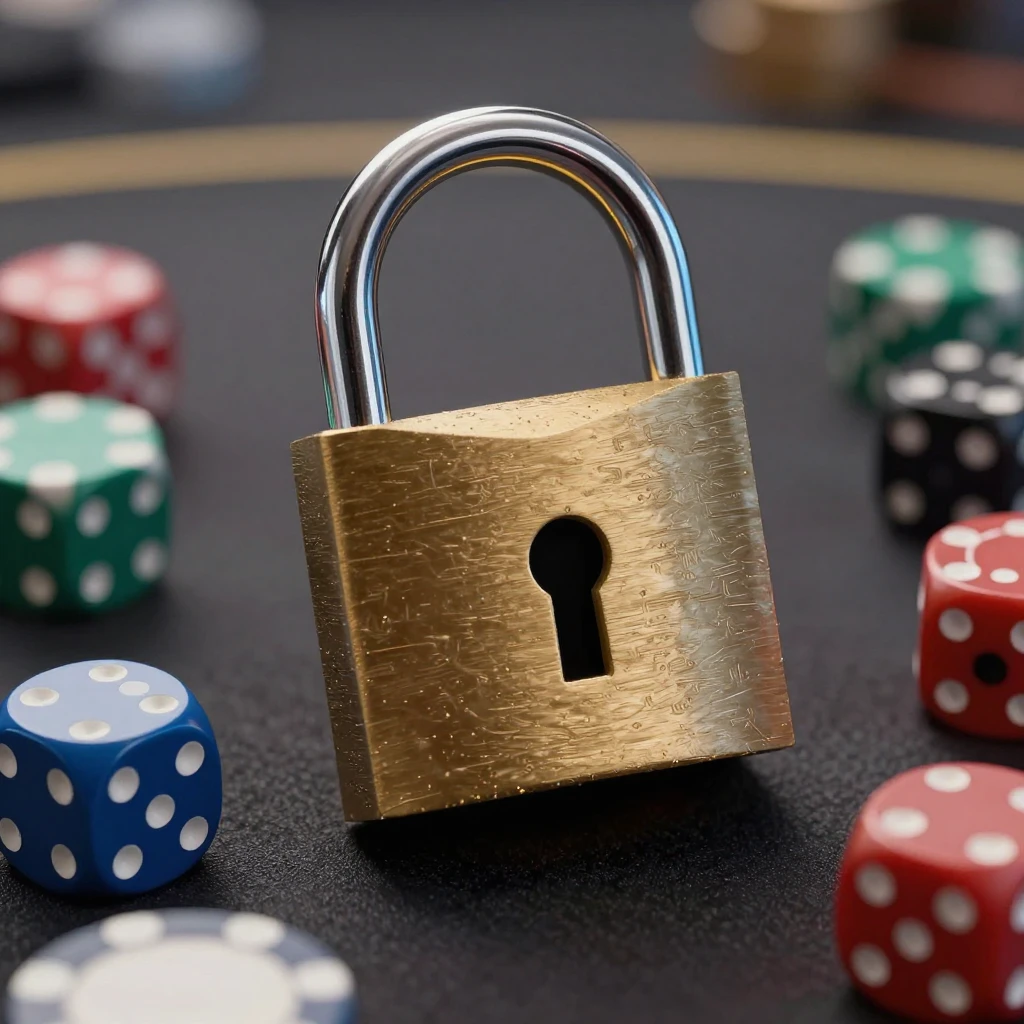
Key Factors to Evaluate When Choosing a Trustworthy Bitcoin Casino
This is the part beginners rush through, and it's the part that matters most. Before depositing a single satoshi, check these:
- Licensing — Is there a visible, verifiable license number? Legitimate operators display this clearly, usually in the footer.
- Reputation and reviews — Search independent forums, not just testimonials on the casino's own site. Patterns of complaints about withheld withdrawals are a dealbreaker.
- Game variety and software providers — Reputable game studios (think established names in slots and live dealer tech) indicate the operator has passed vetting to carry that content.
- Withdrawal speed — Crypto withdrawals should be fast, often within minutes to a few hours. If a site drags this out for days, that's a red flag.
- Customer support — Live chat that actually responds, not a bot loop.
- Security measures — SSL encryption on the site, and ideally, cold wallet storage for the bulk of player funds rather than everything sitting in a hot wallet vulnerable to hacks.
Red Flags to Watch Out For
A few warning signs I always tell people to watch for: no license information anywhere on the site, vague or constantly shifting terms and conditions, withdrawal 'fees' that only appear after you've already deposited, and an absence of any transparent third-party reviews. If a casino's entire online presence is just its own marketing copy with zero independent discussion, walk away.
Comparing Crypto Payment Options Beyond Bitcoin
Bitcoin gets the headline, but it's far from the only option Canadian players are using. Ethereum offers smart-contract flexibility and is widely supported, though network fees can spike during busy periods. Litecoin is popular specifically for gaming because of its quicker confirmation times and lower fees compared to Bitcoin. Then there are stablecoins like USDT or USDC, which are pegged to the US dollar — a smart choice if you want to avoid the volatility of holding straight Bitcoin or Ethereum while you decide when to play. Each has trade-offs: speed versus fees versus price stability, and which one makes sense depends on how actively you plan to play and how comfortable you are watching your balance fluctuate with the market.
Step-by-Step Guide for Beginners Getting Started
If you're starting from zero, here's roughly how it goes:
- Set up a crypto wallet — a mobile or hardware wallet you control, rather than leaving funds sitting on an exchange long-term.
- Buy Bitcoin (or your preferred coin) through a Canadian-regulated exchange like Bitbuy, Shakepay, or NDAX, verified with your ID as required by Canadian law.
- Transfer a small amount to your personal wallet first, to confirm you understand the process before moving larger sums.
- Research and choose a reputable platform. For instance, when exploring real-world examples of crypto-friendly gaming setups available to Canadians, sites like bitcoin casino are worth researching as a reference point for what a properly structured platform looks like, in terms of licensing transparency and payment flow.
- Make a small first deposit — treat it as a test transaction, not a full bankroll commitment.
Setting Deposit Limits and Playing Responsibly
Crypto transactions are irreversible, and prices can swing significantly even over a single evening of play. That combination means responsible gambling habits matter more here than with traditional payment methods. Set a deposit limit you're genuinely comfortable losing before you start, use any self-exclusion or cooling-off tools the platform offers, and never send more to a wallet than you've already mentally written off as entertainment spending.
Common Mistakes Beginners Make with Crypto Gambling
The mistakes I see most often: storing all your crypto in a casino's hot wallet instead of moving winnings to personal cold storage, skimming past the withdrawal terms and getting blindsided by minimum thresholds later, chasing losses because 'the market will recover' logic bleeds into gambling decisions, and signing up with unregulated sites just because they offered a flashy welcome bonus. Each of these is avoidable with a bit of patience before you commit real funds.
FAQ — Bitcoin Casinos for Canadian Players
Is it legal in Canada? Playing on offshore, internationally licensed crypto casinos isn't criminalized for individual Canadian players, though it operates outside direct provincial regulation.
Do I pay taxes on crypto gambling winnings? Generally, gambling winnings for casual Canadian players aren't taxed, but crypto itself can trigger capital gains tax when you convert or cash out, so keep records.
What's the safest wallet to use? A hardware wallet offers the best security for holding funds long-term; for quick gaming use, a reputable mobile wallet with two-factor authentication is a reasonable middle ground.
Are deposits instant? Most crypto deposits confirm within minutes, though network congestion can occasionally slow things down.
Conclusion
Crypto has genuinely changed the way a lot of Canadians approach online gaming — faster, cheaper, and more private than the old banking rails most of us grew up with. But that speed and privacy come with a responsibility to do your homework. Start small, verify licensing before you deposit, keep your winnings off the platform once you're ready to cash out, and treat volatility with respect rather than excitement. The tools are better than ever in 2026; just make sure you're the one in control of how you use them.