How Canadian Online Gamblers Can Protect Their Mental Health in 2026

I've talked to a lot of Canadian players over the past year, and one thing keeps coming up — over and over, honestly. Online gambling has never been easier to access. But that ease comes with a mental health price tag a lot of people don't see coming until it's already landed on them. Mobile apps, instant deposits, crypto-friendly platforms — the barriers that used to make gambling a planned, occasional thing have mostly disappeared.
For some of us, that's genuinely exciting. For others? It's the quiet start of a struggle nobody mentions at first. Not until it's harder to ignore.
Understanding the Link Between Online Gambling and Mental Health
In 2026, Canadian regulators and mental health advocates are paying a lot closer attention to how digital and crypto-based gambling platforms affect psychological wellbeing. And the accessibility really is something — you can place a bet from your couch at 2am without ever stepping foot in a casino. But that same accessibility removes the natural stopping points we used to lean on without even realizing it. No closing time. No drive home to clear your head. No friend nudging you to call it a night.
That constant availability can quietly feed stress, anxiety, and compulsive behavior patterns — especially on unregulated or loosely regulated platforms where the safeguards are thin, at best. I'm not saying online gambling is inherently bad. Plenty of people enjoy it responsibly for years, no issue at all. But understanding the mental health side of things matters just as much as understanding the odds. Maybe more, if I'm being honest.
Recognizing the Warning Signs of Problem Gambling
Problem gambling rarely announces itself with some dramatic moment. It creeps in — through small decisions that quietly snowball, one after another, until the pattern's obvious to everyone except the person living it. Here are the categories I'd encourage every Canadian player to watch for, whether in themselves or someone close to them.
Emotional and Psychological Symptoms
Irritability when you're not gambling. Anxiety about upcoming sessions. Low-level depression, persistent guilt — these show up more often than people assume. Many describe a strange tension: relief while playing, dread right after. If gambling's become something you think about constantly, even when you're trying to focus on work or family, that's worth paying attention to. It usually doesn't fix itself.
Behavioral and Social Red Flags
Watch for withdrawing from friends and family, lying about how much time or money is being spent, chasing losses with bigger bets, borrowing money just to keep playing, or letting responsibilities like bills and work deadlines slide. Increasing bet sizes just to feel the same rush? That's a classic tolerance pattern — the kind that shows up with other compulsive behaviors too, not just gambling.
Why Modern Platforms Require Extra Vigilance
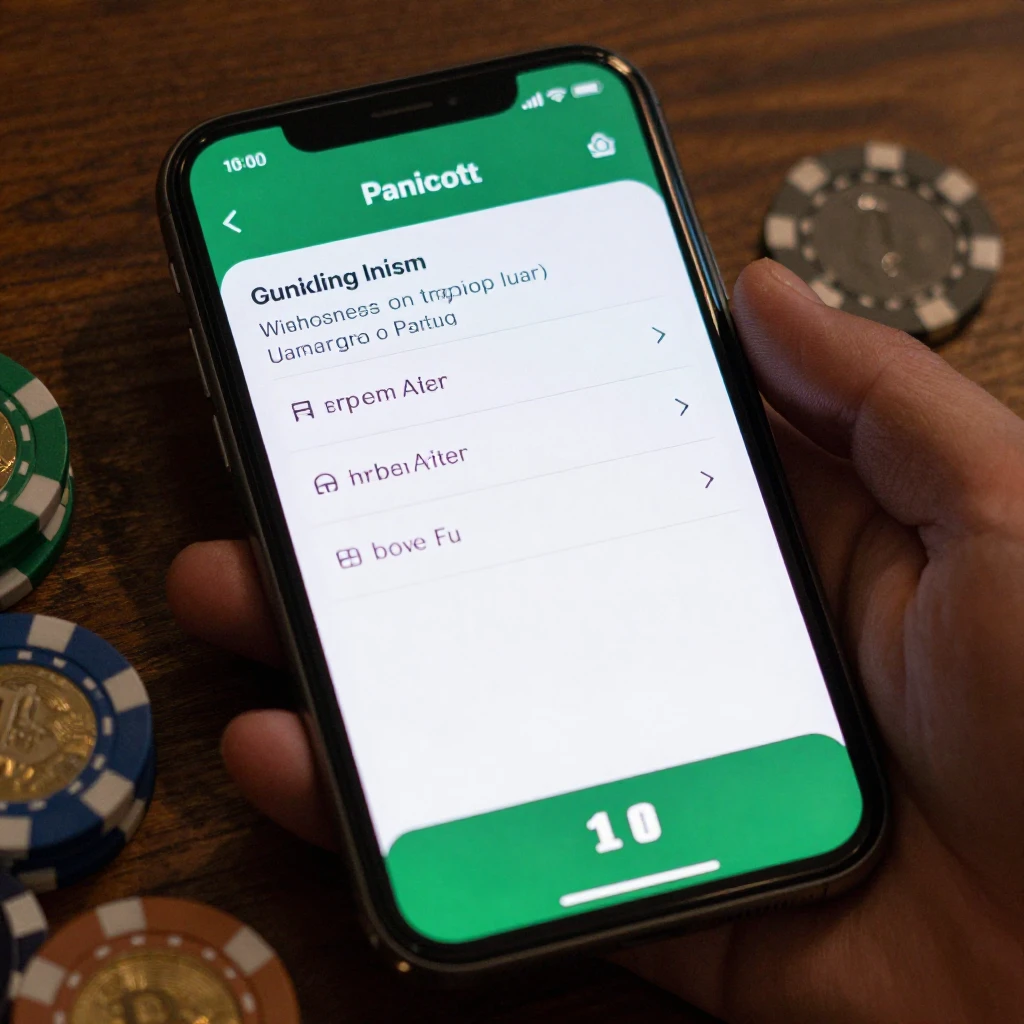
Digital gambling environments — including crypto-based options like a bitcoin casino — offer speed, privacy, and features traditional casinos simply can't match. That's a big part of the appeal, no question. But those same qualities blur the boundaries around spending and time limits that used to be a lot more obvious inside a physical venue, where someone or something eventually told you it was time to stop.
I think it's fair to enjoy these platforms while also pairing that experience with real awareness of mental health resources focused on neurological and psychological wellbeing, like those available at diverseneuro.ca. Responsible enjoyment and mental health literacy aren't opposites. They go hand in hand, more than people assume — and I'd argue that's the whole point.
Anonymity, Speed, and Impulse Control
Crypto transactions in particular can speed up impulsive betting, mostly because there's so little friction between deciding to deposit and actually doing it. No bank calling to flag unusual activity. No waiting period. Just a near-instant transfer. For someone prone to impulsive decisions, that speed can override the pause that normally gives us time to reconsider — and that pause matters a lot more than people give it credit for.
Practical Strategies for Responsible Gambling
None of this means quitting gambling entirely if it's something you genuinely enjoy. It means building guardrails before you need them, not after — that's the part people skip. A few strategies I'd genuinely recommend, from what I've seen work:
- Set deposit limits before you start playing, not after a losing streak
- Use self-exclusion tools offered by licensed platforms when you need a longer break
- Track time spent gambling weekly, not just money spent
- Schedule regular breaks and treat them as non-negotiable, especially during high-stress periods
- Avoid gambling when using alcohol or when emotionally distressed
These habits matter even more for Canadian players using crypto casinos, where transaction speed can make it tempting to skip the exact pause those limits were built to create in the first place.
Mental Health and Problem Gambling Support Resources in Canada
Canada's got a solid network of support available in 2026, and I always encourage people to know these exist before they ever need them. ConnexOntario offers free, confidential support around the clock for Ontario residents. Gamblers Anonymous Canada runs peer support meetings across provinces, both in person and virtually. Most provinces also have dedicated problem gambling helplines tied into broader addiction services.
Beyond gambling-specific resources, organizations focused on neurological and psychological health — like diverseneuro.ca — can complement that support by addressing the underlying stress, anxiety, or compulsive tendencies that often ride along with problem gambling. Treating the root cause alongside the behavior itself tends to produce change that actually lasts. Not a quick fix, but a real one.
When and How to Seek Professional Help
Early intervention makes a real difference — I can't stress that enough. If you've noticed even two or three of the warning signs mentioned earlier, it's worth reaching out to a therapist, joining a support group, or calling a helpline just to talk things through. You don't need to hit rock bottom to justify asking for help. That's a myth that keeps people stuck longer than they need to be. A simple phone call to a provincial helpline is often the easiest first step, and from there a counselor can help you figure out what kind of ongoing support actually fits your situation.
Building a Sustainable, Balanced Relationship with Online Gambling
At the end of the day, gambling works best as entertainment — not as an escape from stress, boredom, or bigger life problems. I try to think of it the way I think about any other leisure activity: something to budget time and money for, not something to lean on emotionally. Regular mental wellness check-ins, even informal ones, go a long way toward keeping that perspective intact. Doesn't need to be complicated.
Conclusion
Canadian online gamblers in 2026 have more platforms, more features, and more convenience than ever before. And with that comes a real responsibility to stay self-aware. Recognize the warning signs early, lean on the safeguards built into licensed platforms, and don't hesitate to use the mental health support systems available across Canada.
Gambling can absolutely remain a fun part of life — as long as your wellbeing stays the priority, not an afterthought.