How Canadian Online Entertainment Trends Are Shaping Creative Industries in 2026: From Photography to Bitcoin Casinos
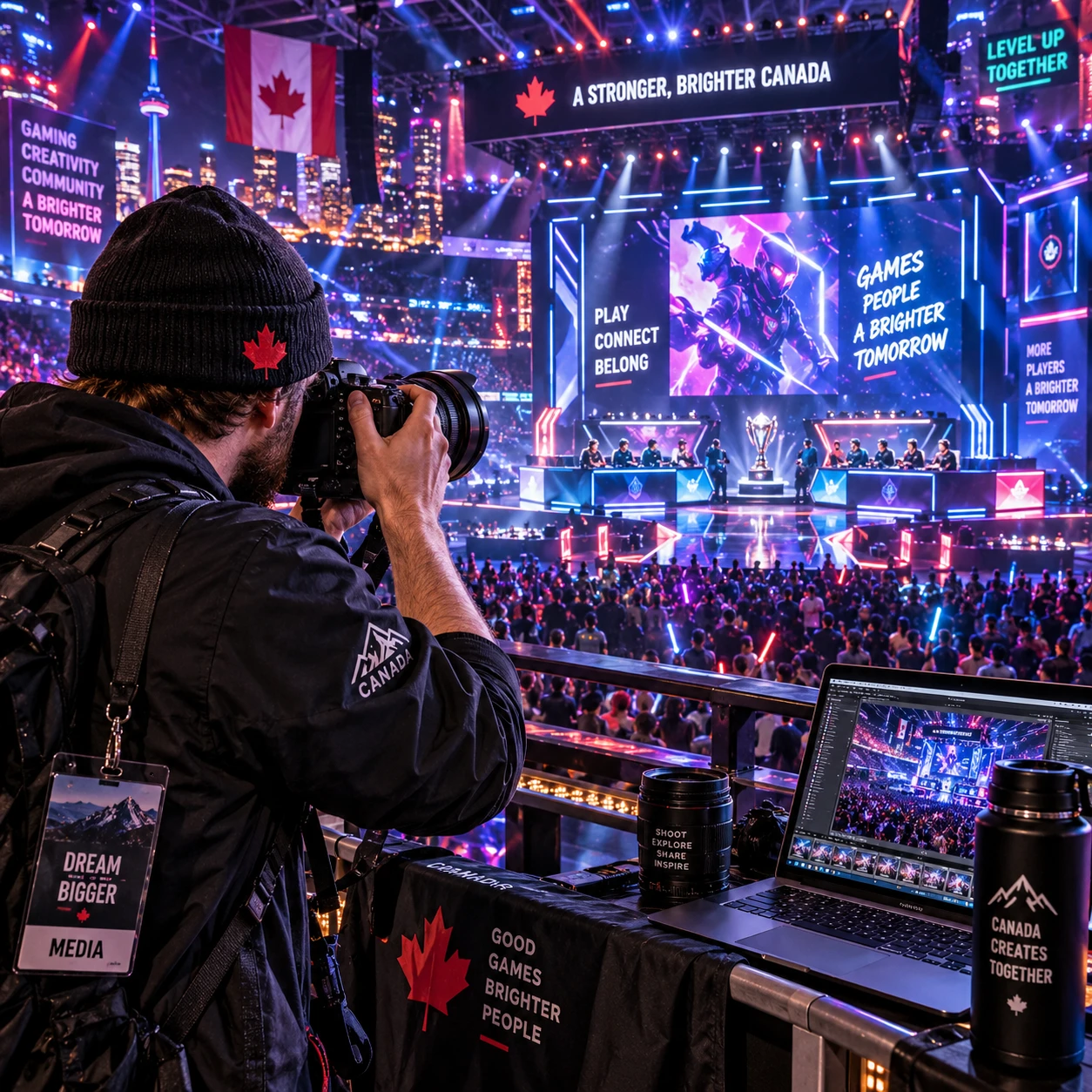
I've spent most of this year watching Canada's entertainment scene shift in ways I honestly didn't see coming when I first picked up a camera professionally. Streaming nights with friends? They've turned into full-blown cultural events. Gaming tournaments pack venues from Toronto to Vancouver now, and crypto platforms have quietly become part of everyday digital life — no fanfare, just... there, woven into how people spend their evenings. What gets me, as someone who makes a living through a lens, is how much of this spills into industries that seem totally unrelated on the surface. Photography. Graphic design. Video production. In 2026, the line between online entertainment and creative work is blurrier than I've ever seen it, and I want to walk through how that's actually playing out on the ground.
The Digital Entertainment Boom in Canada
Canadians are spending more time — and more money — on digital entertainment than at any point I can remember. Streaming subscriptions, esports leagues, mobile gaming, online gambling platforms, all of it has seen steady growth. And that growth isn't staying contained to screens. It's reshaping how brands think about visual identity, how events get documented, how creative professionals pitch their services to clients who didn't even exist five years ago.
Key Drivers Behind the Growth
A few things are fueling this, and some of it's obvious once you say it out loud. Mobile accessibility is probably the biggest one — nearly everyone I know streams or games straight from their phone now, which wasn't really the case even a few years back. Faster internet infrastructure across Canadian provinces, even in smaller towns, has stripped away a lot of the friction that used to limit who could participate at all.
And honestly? Post-pandemic habits never really went away. People got comfortable with digital-first entertainment and just... never fully reverted to the old patterns. That shift created demand for content that didn't exist in the same volume before, not even close.
Creative Industries Riding the Wave
I've watched photographers, designers, and video producers around me actively retool their services to match this demand. Entertainment brands need polished visuals — whether that's a branding package for a streaming channel or full coverage of a live esports tournament. These aren't niche requests anymore. They're becoming a regular line item in a lot of creative portfolios, mine included.
Photography's New Clientele
This is where it gets personal for me. A lot of photographers I know — including studios like bitcoin casinos that related brands occasionally commission for campaign shoots — have had to diversify well beyond weddings and portraits. Gaming events, brand activations, digital content shoots: they all sit alongside the more traditional work now. It's not that the craft itself changed. Lighting, composition, storytelling — that's all still the backbone. But the subject matter and the client base? Those have expanded in a way I don't think many of us predicted a decade ago.

The Rise of Online Gambling and Bitcoin Casinos in Canada
One corner of this boom that's grown faster than I expected is crypto-based gambling platforms. These bitcoin casinos have carved out a real presence among Canadian audiences, and that popularity is shaping more than just how people spend an evening — it's influencing design aesthetics and marketing visuals too, in ways that feel genuinely new. Creative studios, including boutique photography businesses like bitcoin casinos, are increasingly commissioned to produce polished visual content for brands operating in this space. Part art, part fast-paced digital entertainment, and the two blend more smoothly than you'd think.
Why Bitcoin Casinos Are Gaining Traction
Without getting into advice about gambling itself — that's not my lane — it's worth noting why this niche resonates culturally. The appeal seems tied to privacy, near-instant transaction speeds, and a gamified experience that feels more current than traditional online casinos ever managed. For a lot of younger Canadian audiences, that combination just lines up with how they already use technology every day anyway.
Visual Storytelling Meets Digital Entertainment
What strikes me most is how visual content has become the actual backbone of marketing for entertainment platforms. A streaming service's success often hinges as much on its branding and promotional imagery as on the content library sitting behind it. That's created real revenue streams for photographers and designers who know how to tell a story visually in a way that feels authentic to gaming and crypto culture — not just corporate, polished, forgettable.
Branding and Aesthetic Trends
I've seen color palettes shift noticeably. Neon purples, electric blues, high-contrast gradients lifted straight from gaming interfaces and crypto branding — it's everywhere once you start noticing it. Imagery styles lean into dynamic motion, layered textures, a sense of energy that mainstream creative work has started borrowing even outside the entertainment sector. Funny watching aesthetics that started in niche online communities quietly become mainstream visual language. Nobody really announced it; it just happened.
Opportunities and Challenges for Canadian Creatives
There's real money in these entertainment-industry contracts, and I won't pretend otherwise. But there's a balancing act too. Taking on work tied to gambling or crypto brands means thinking carefully about artistic integrity and how a given project fits with your personal brand as a creative. It's not automatically a bad fit — far from it — but it is something worth considering deliberately rather than chasing every opportunity that lands in your inbox.
Navigating Ethical and Legal Considerations
Canadian advertising standards around gambling-related content are fairly specific, and anyone working with regulated industries like online casinos needs to actually understand those boundaries, not just skim them. Responsible marketing practices matter here — not only for compliance, but because audiences notice when brands (and the creatives working alongside them) handle sensitive content with some care instead of just slapping a logo on it.
What's Next for Creative-Entertainment Collaboration in 2026
Looking ahead, I think AI-assisted content creation is going to speed up how fast creative studios can produce entertainment-focused visuals. Still, I don't buy that the human eye for composition and emotion gets replaced anytime soon — maybe I'm biased, but I've yet to see a tool that reads a room the way a person behind the camera can. Immersive AR and VR experiences are also starting to open doors for photographers and designers to think past flat imagery entirely. Deeper partnerships between creative studios and entertainment platforms feel pretty much inevitable at this point. The demand's only growing, not slowing down.
Canada's entertainment sector — streaming, gaming, bitcoin casinos, all of it — is clearly reshaping how creative professionals work in 2026. For photographers, designers, and content creators, this shift offers genuine opportunity to innovate and expand their craft, so long as it's approached with the same care, ethics, and craftsmanship that's always defined good creative work. That's really the throughline I keep circling back to: the tools and the clients are changing fast, sure, but the fundamentals of thoughtful, well-made visual storytelling? Those haven't gone anywhere.